
What We Teach: Chronic Pain Series
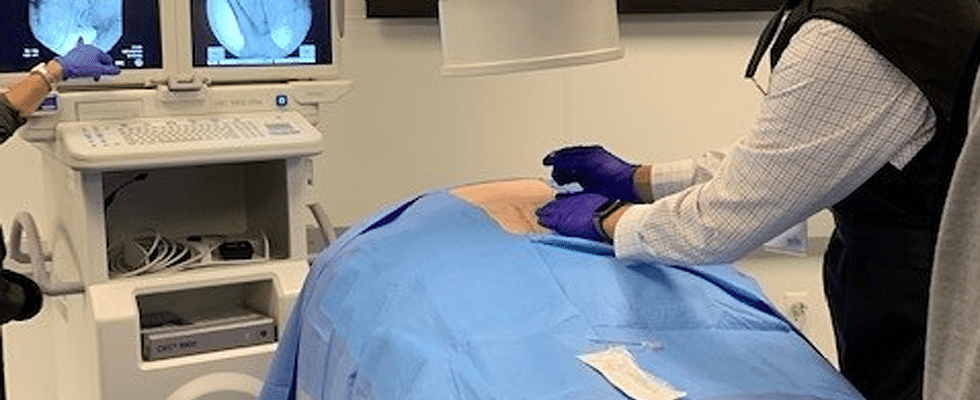
Maverick Medical Education is committed to teaching pain relief methods to medical providers around the country. Within our courses, there are a number of methods explored, including within our Chronic Pain Series. This three-course series offers dozens of ways to relieve chronic pain and can help you better your practice through continued education with us.
The Importance of Continuing Medical Education
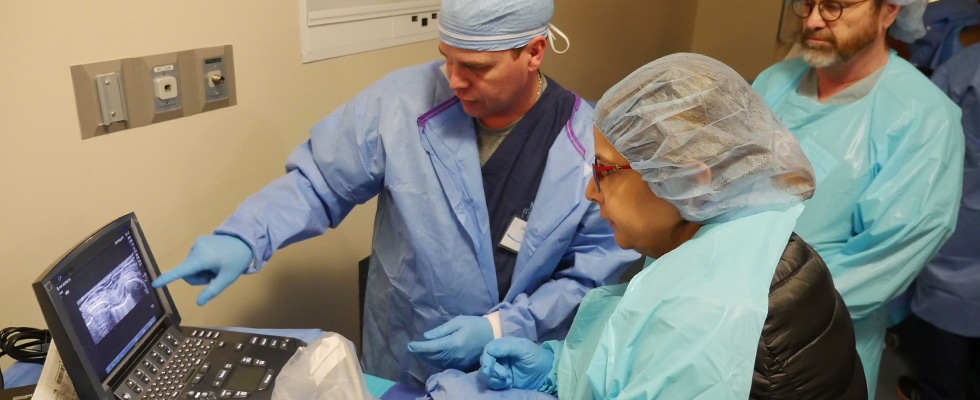
We are passionate about others learning techniques that will help relieve pain in their communities and make a better diagnosis for their patients. Maverick Medical Education Instructors are constantly learning themselves and adding to our courses so that we can provide the best medical care through what we have taught our students. This modeling is one component of why continuous medical education is so important.

How the Stellate Ganglion Block Treats Long-Lasting COVID Symptoms
We certainly know more about COVID now than we did then and, with that, comes new treatment options, especially for some of the long-lasting symptoms some patients are having. Maverick Medical Education tries to find a number of applications for the blocks and methods we already teach and the application of the Stellate Ganglion Block to treat some of these symptoms is just one of them.
POCUS: What It Is and How We Teach It
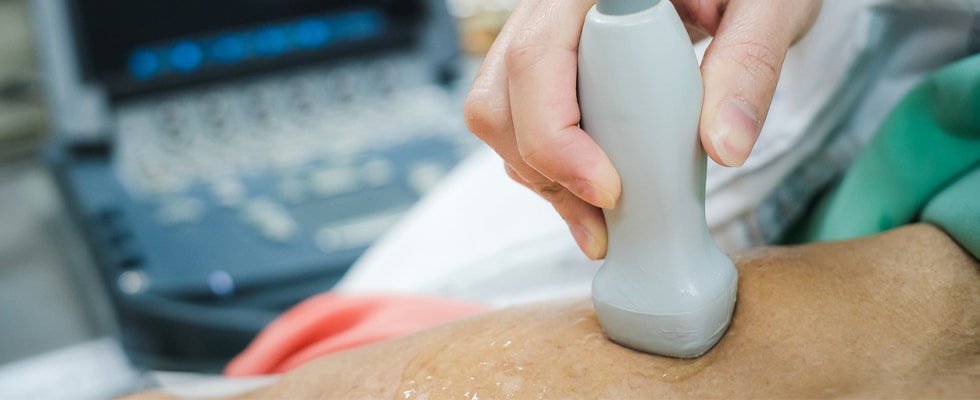
Maverick Medical Education firmly believes that there is application and use for those trained in POCUS in every medical field. With this training you will be able to provide quicker diagnoses, more accurate diagnoses, and better outcomes.
How Ultrasound is Used in the ER
Ultrasound, specifically Point of Care Ultrasound, or POCUS, has many vital applications in all medical fields, especially in emergency room care. Maverick Medical Education stands behind this concept so firmly, we have developed a new course, ERstravaganza, to instruct ER Physicians, PAs, and NPs in how to better meet the needs of their patients and departments with ultrasound.
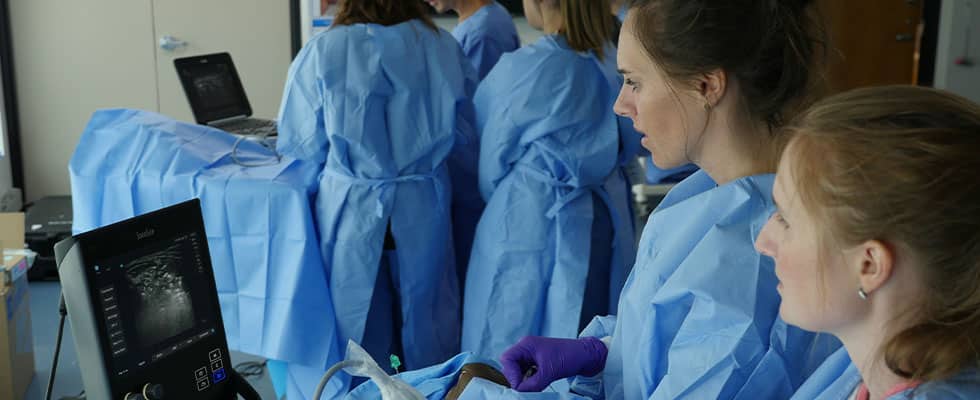
5 Reasons Why In-Person Medical Training is Important
Maverick Medical Education is focused on teaching and training as many medical professionals the skills and techniques needed to alleviate the pain of their communities and within their practices. To do so, we have thought out the best way for physicians, practitioners, nurses, and others to learn from our expert team. That said, medical training needs hands-on practice in order to learn the procedures and develop proficiency.